World's oldest tea residue discovered









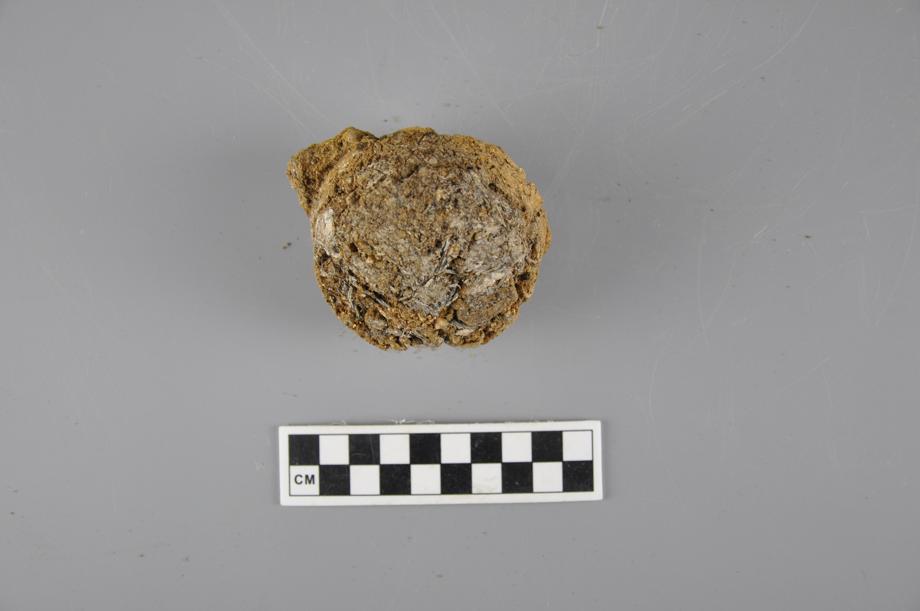
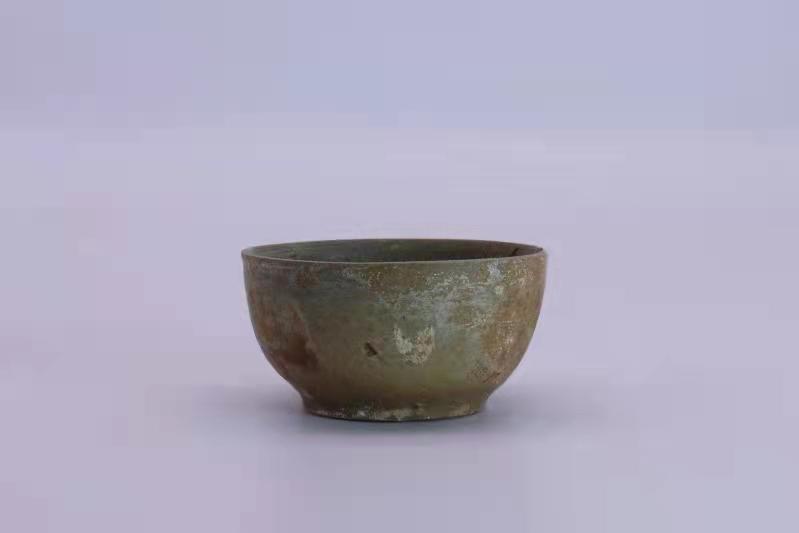
Charred material in a bowl found in a tomb from the early Warring States Period (475-221 BC) in Zoucheng, Shandong province, is tea residue — what's left over after boiling or brewing — according to an analysis published in Archaeology and Cultural Relics by a team from Shandong University.
The discovery is physical evidence of tea in the 453-410 BC period, making it the oldest tea remains in the world, the article said.
Scientific analysis of the residue was done using techniques such as Fourier transform infrared spectroscopy (FTIR), Gas Chromatograph Mass Spectrometer (GC/MS) and thermally assisted hydrolysis-methylation Pyrolysis Gas Chromatography Mass Spectrometry (THM-Py-GC/MS).
Modern tea and tea residue were used as reference samples.




- Employee sorry for leaking pop star's rehearsal clips
- Shanghai ready for 2025 version of E-sports Masters
- New 'eco-police' system to be set up by 2027
- Hebei cooperative's cabbage proving a hit across China
- Kunming rail accident spurs safety overhaul nationwide
- Embroidery proving major draw at bustling Guizhou market