Policies assist continuation of regional development









Tibet has made all-around progress and historic achievements since it was liberated 70 years ago, according to Wu Yingjie, secretary of the Party Committee of the Tibet autonomous region.
He said the Communist Party of China Central Committee and the central government attach great importance to Tibet's development and have invested 1.63 trillion yuan ($251 billion) in the region.
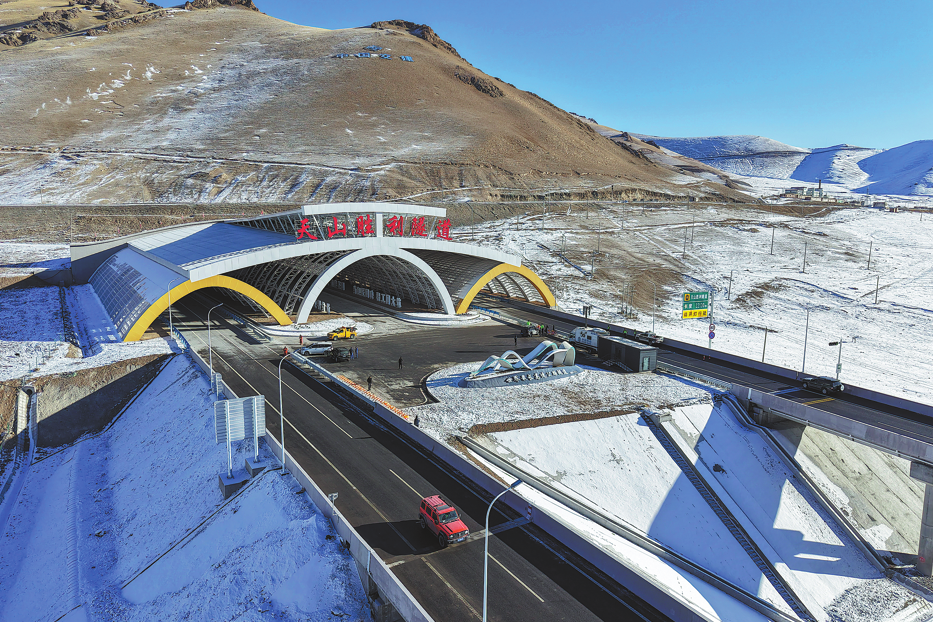
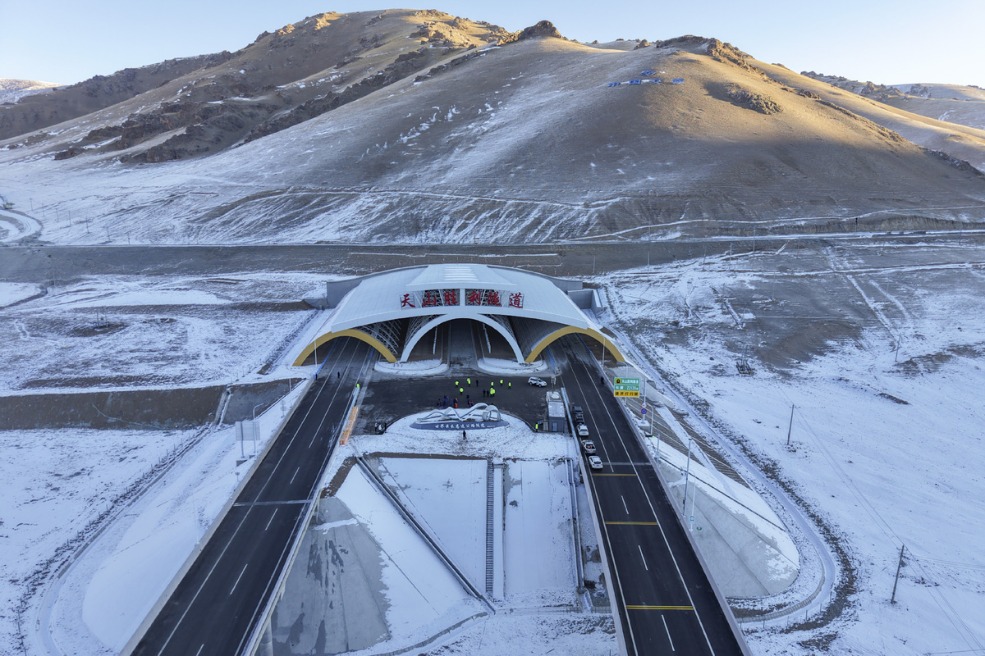
More than 590 billion yuan has been used for a number of major construction projects, including the Sichuan-Tibet Highway, the Qinghai-Tibet Railway, the Lhasa Gonggar Airport and a hydroelectric power station on the Zangmu Dam.
Seventy-five percent of the region's deputies to the National People's Congress, China's top legislature, and 90 percent of its members of the Chinese People's Political Consultative Conference, the top political advisory body, come from the Tibetan and other ethnic groups.
People of all ethnic groups enjoy full democratic rights and participate in the management of the State and social affairs, Wu said.
He added that Tibet's GDP rose from 129 million yuan in 1951 to 190 billion yuan last year. All counties and villages are connected to highways that extend 118,800 kilometers, and the region's airports operate 140 international and domestic routes to 66 cities.
The electricity grid covers all counties and towns, and the 4G network covers 99 percent of the region.
Wu said rural residents' per capita disposable income was 14,598 yuan last year, compared with 35 in 1959. In recent years, 628,000 impoverished people in 74 counties and districts have been lifted out of poverty.
Last year, the publicly funded system provided school students with an average 13.1 years of education, and the employment rate among college graduates was 99 percent.
Basic pension insurance covers more than 95 percent of the senior population, and life expectancy has risen to 71.1 years.
Wu said the region has also made great efforts to protect the environment. Tibet used to have 1,079"treeless villages", but now they all have trees, making a forest coverage rate of 12.31 percent.
He added that Tibet has fully implemented the central government's religious policies, so equality, unity, mutual assistance and harmony are increasingly being consolidated, while religious belief and practice are fully protected by law.




Today's Top News
- China's top legislature concludes standing committee session
- Thailand and Cambodia agree to temporary ceasefire
- NPC's 4th annual session slated for early March
- Civilizational links for a fairer world
- Manufacturing in China spurs global growth
- Taiwan lawmakers vote to pass motion to impeach Lai