China's Hebei sees record low PM2.5 density in 2020









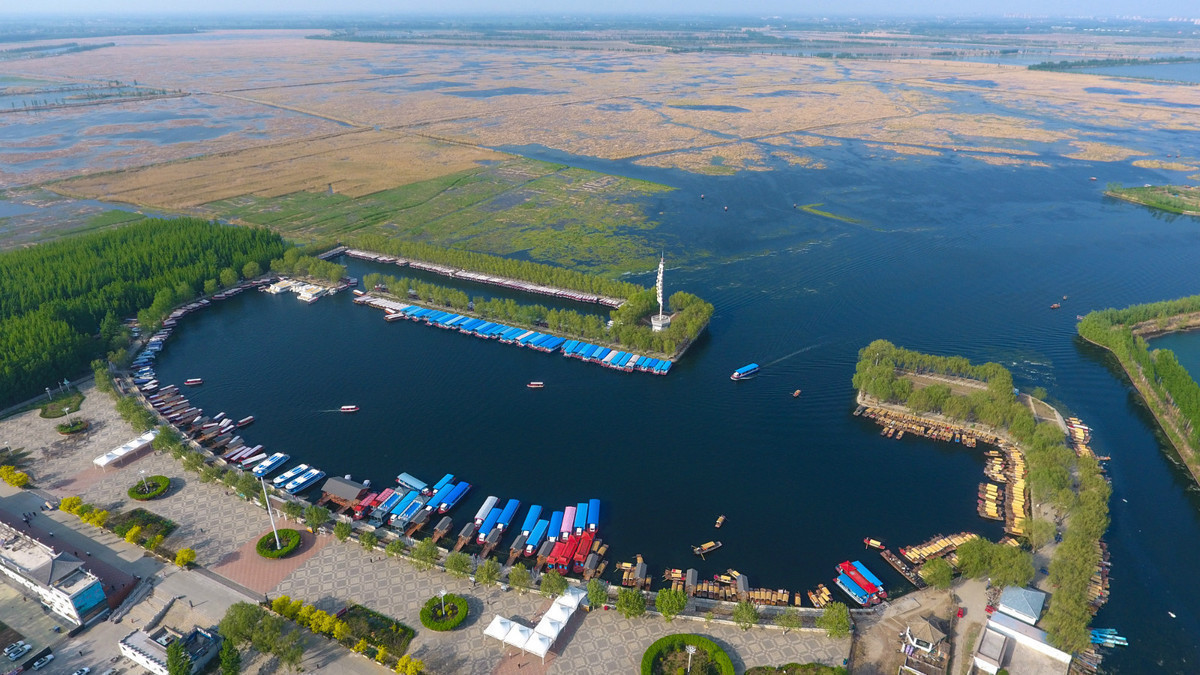
SHIJIAZHUANG -- The smog-prone northern Chinese province of Hebei reported a record-low average PM2.5 density last year, thanks to its continuous efforts in afforestation and energy structure optimization, noted a work report from the provincial government.
The average concentration of PM2.5 in Hebei was 44.8 micrograms per cubic meter in 2020, down nearly 40 percent from 74 micrograms per cubic meter in 2015 and the lowest measurement since the province started to collect the data, according to the report delivered at the ongoing annual session of the provincial legislature.
The province afforested more than 2.6 million hectares of land from 2016 to 2020, raising its forest coverage from 31 percent to 35 percent, the report added.
Over the past five years, the province also worked to regulate or phase out enterprises causing heavy pollution and improve its energy structure, such as replacing coal with natural gas and electricity. Its energy consumption per unit of GDP dropped by 21 percent during the period.
The Hebei provincial government has pledged to afforest 400,000 hectares of land and bring down the average concentration of PM2.5 by 3 percent this year.
The province will also continue to decarbonize its key industries and increase the share of green energy in its energy structure. It aims to add about 6-million-kilowatt installed capacity of renewable energy, such as solar and wind power, this year.




- China backs Tanzania's plan to double exports by 2030
- China leads renewable energy jobs growth as Africa seeks green partners
- Jilin—1 GF07 satellite transmits high-resolution photo of Harbin's winter wonderland
- Infrared cameras film wild panda mother, cub in snow
- Expert: Private sector purchases key force supporting gold prices
- National observatory urges preparedness measures amid north China cold spell