AN ART PROTECTED, THEN PERFECTED
Traditional Tibetan dance form kept alive by inheritor of cultural heritage









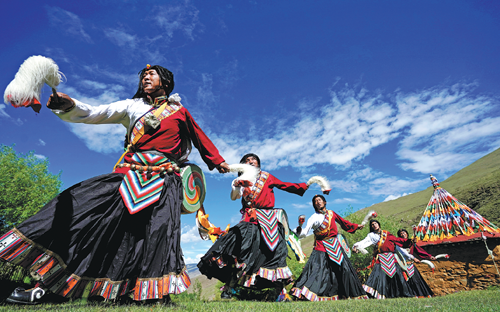
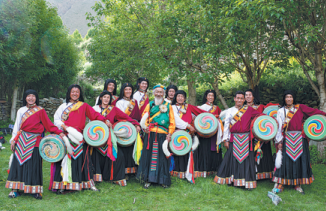
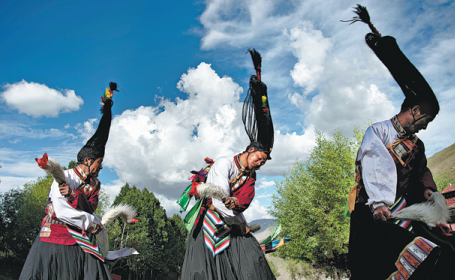
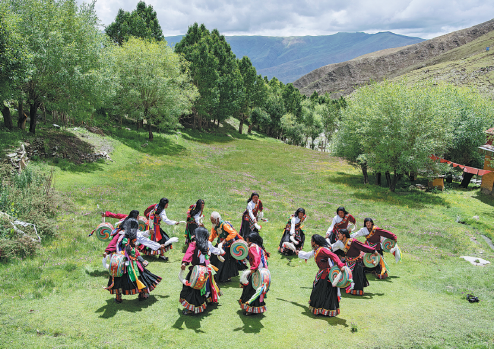
LHASA-The history of Jiuhe Zhuo dance, which originated in Chonggyai county, Lhokha city, in the Tibet autonomous region, dates back more than 1,300 years. Also called the waist-drum dance, it has been used by Lhokha people to pray for good luck since ancient times. It is regarded as one of the oldest ethnic dance forms in the world.
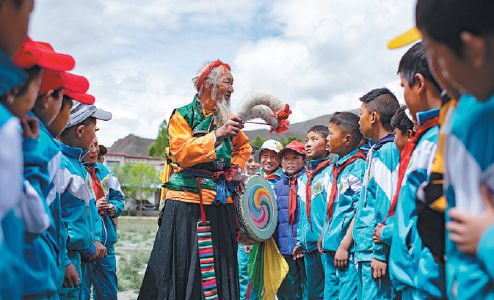
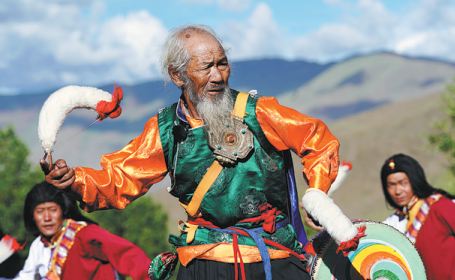
Nyima, an inheritor of Jiuhe Zhuo, which is a national intangible cultural heritage, began learning the dance from his father at the age of nine and has performed for over 60 years. His performances have won him a national folk art award.
After decades of studying the dance, Nyima has also perfected his own style. He assumes the role of lead dancer and controls the movements and rhythm of the performance.
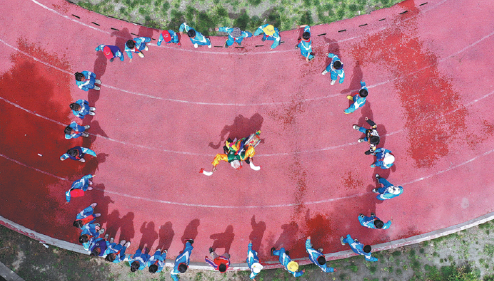
Nyima has trained dozens of young dancers and formed a dance troupe in Jiuhe village.
The young dancers often perform in different places, and Jiuhe Zhuo has become a way for villagers to alleviate poverty.
Xinhua






Today's Top News
- US plan for arms sales to Taiwan condemned
- China creates 12.1m new urban jobs
- Dialogue constructive way to rebalance trade
- AI needs to be governed wisely to ensure that it is beneficial for future of humanity: China Daily editorial
- China warns about Japan's intended military buildup
- China urges EU to halt anti-subsidy probes