Researchers develop microbiome search method to rapidly detect diseases









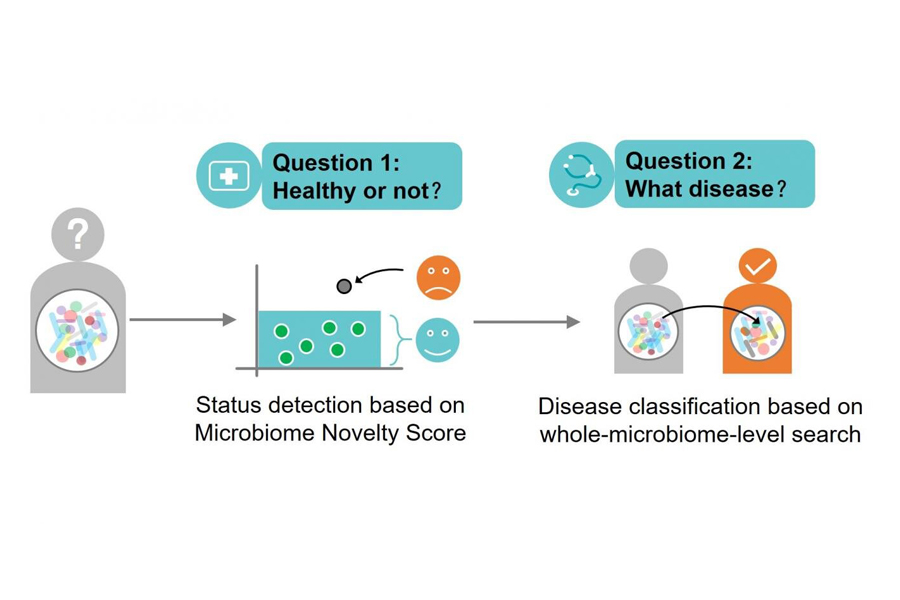
BEIJING - Researchers have developed a disease detection strategy based on a microbiome data search for rapid diagnosis.
The strategy can determine whether the microbiome samples being tested are healthy by figuring out the abnormal degree between them and the healthy samples in the database, as well as recognizing specific diseases by comparing the samples with the disease samples in the database.
More than 3,000 tests on intestinal flora samples showed that the strategy can detect multiple intestinal diseases with an accuracy above 80 percent. The detection can be completed within half a second.
The reference database of the strategy collects over 230,000 samples of intestinal, skin, oral, indoor environment, ocean and soil ecosystems.
The search-based strategy shows promise in building a microflora diagnosis system and intervention methods of chronic diseases or ecological disasters, according to the research article recently published in the journal mSystems.
The research was jointly conducted by the Qingdao Institute of BioEnergy and Bioprocess Technology under the Chinese Academy of Sciences and the University of California San Diego Center for Microbiome Innovation.





- Space schedule opens with two launches
- Winter cherry blossoms create unexpected spectacles
- Chongqing park becomes stage for captivating natural phenomenon
- Chongqing's cat theme park draws visitors, aids rescues
- Winter fishing season brings fresh catches at Hunan's Liuye Lake
- Former Guizhou official gets 11-year sentence for bribery