Xinjiang promotes health care programs to reduce illness-caused poverty









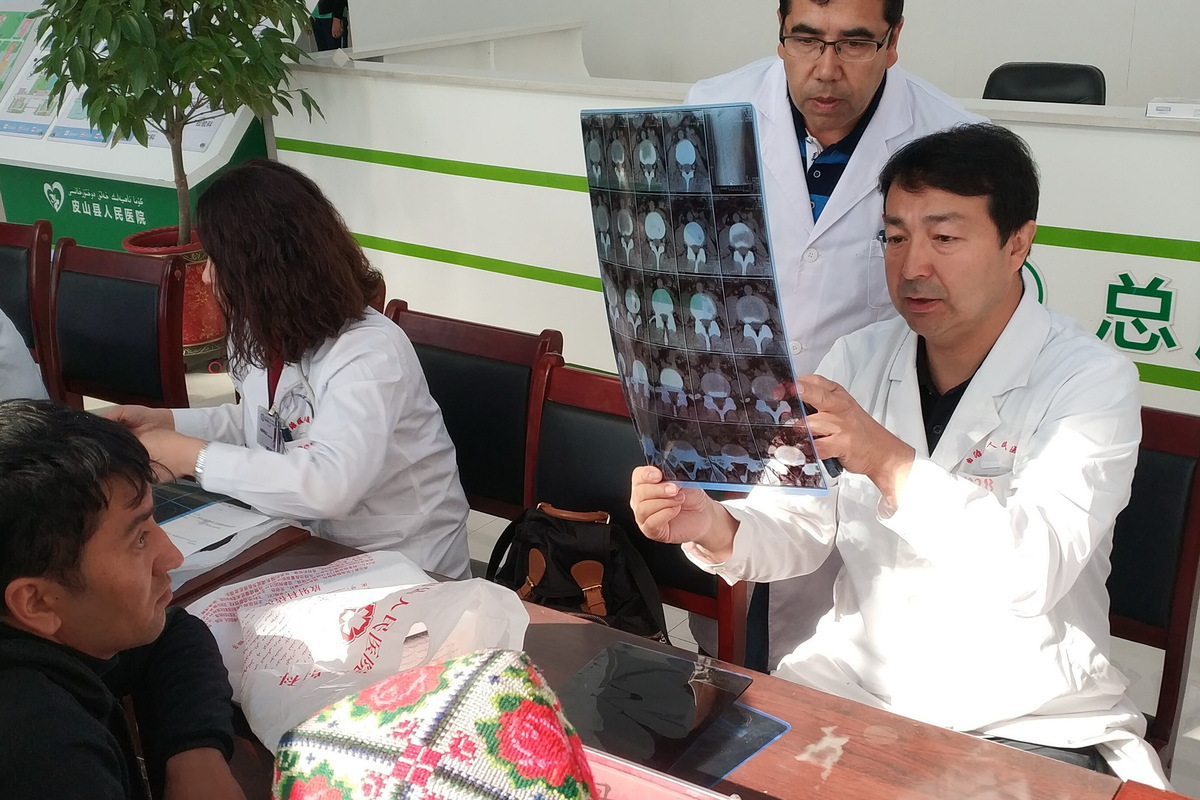
BEIJING - Northwest China's Xinjiang Uygur autonomous region has seen marked drop in the number of families in poverty due to medical bills, thanks to government health care programs, according to the regional health authority Monday.
There were 40,000 families in poverty due to medical bills in Xinjiang at the beginning of August, which was 22,000 fewer than the previous year, Mutalifu Rouzi, director of the health commission of Xinjiang Uygur Autonomous Region.
The number of serious illnesses covered by the government medical aid program has been increased to 32 types, said Mutalifu Rouzi.
Widespread tuberculosis often leads to illness-caused poverty among residents in the four prefectures in southern Xinjiang -- Hotan, Kashgar, Aksu and Kizilsu Kirgiz.
The regional government implements targeted medical insurance to fight against tuberculosis, which offers 90 to 100 percent reimbursement for patients, and Xinjiang hopes to bring its rate of tuberculosis down to the national average within one or two years.




- China planning to raise age limit for blood donors, shorten the minimum interval
- Breakthrough in BMI tech aids patients
- Chinese technique for making ultrathin metal films named top 10 scientific breakthroughs
- Former senior political advisor of Sichuan sentenced to 14 years
- Beijing has undergone dramatic improvements since 2017's revamped development plans
- AI open alliance launched to pool resources for innovation and application